
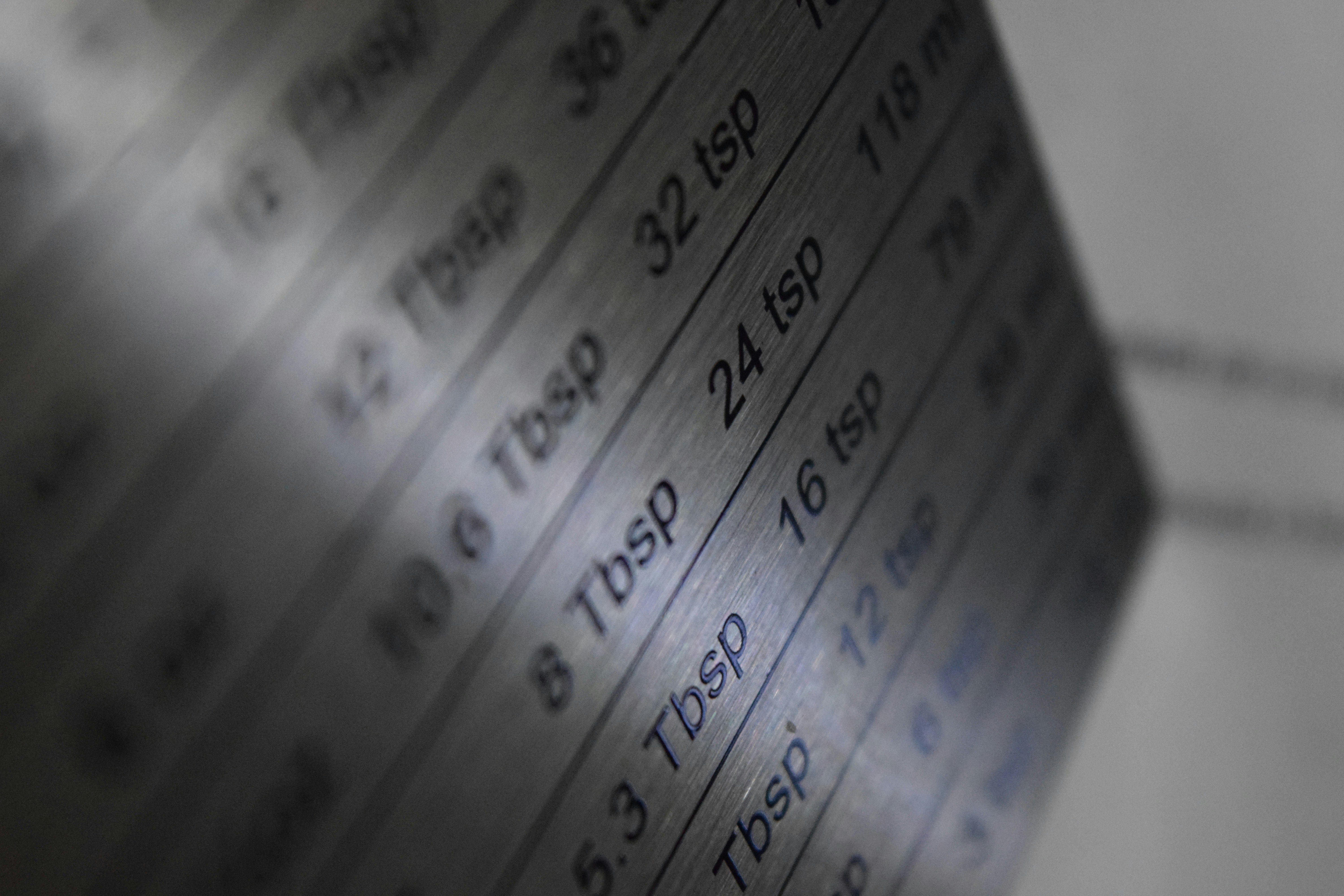
Introduction to Measurement Systems
The metric and imperial systems are two of the most widely recognized measurement systems in the world. Each system has its unique historical background and regional significance, shaping how we understand and utilize measurement in our daily lives.
The metric system, officially known as the International System of Units (SI), was developed in France during the late 18th century. It arose from a need for a more standardized and universally applicable system of measurement, especially during the period of the French Revolution. The system is based on multiples of ten, which simplifies calculations and conversions. As countries around the world began to embrace the benefits of uniformity in measurements for trade, science, and education, the metric system became prevalent. Today, it is adopted by nearly all countries globally, including most scientific and medical fields.
On the other hand, the imperial system, also referred to as the customary system in the United States, has its origins in the various historic measurement units used throughout the British Empire. The imperial system includes units such as feet, pounds, and gallons, which often vary from one region to another. This system emerged from traditional practices and is still in use in a few nations, particularly the United States and the United Kingdom, although the UK has gradually adopted metric units in many areas.
The differences between these two systems extend beyond just the units of measure. They also reflect cultural attitudes towards measurement and standardization. For example, while the metric system emphasizes consistency and scalability, the imperial system frequently incorporates human-scale measurements that are aligned with everyday experiences. Understanding these systems is crucial for comprehending the broader implications of measurements in global commerce, science, and communication.
As we delve deeper into the nuances of these two measurement systems, we will explore their specific distinctions, applications, and the ongoing debates about their respective advantages and disadvantages in contemporary society.
Fundamental Units of Measurement
The Metric and Imperial systems represent two distinct approaches to measurement, each with its own set of fundamental units. Understanding these primary units is essential for grasping how these systems function and their applications in everyday life.
In the Metric system, which is utilized globally due to its simplicity and ease of use, the base units include the meter, kilogram, and liter. The meter serves as the standard unit of length, allowing for straightforward conversions between centimeters and kilometers. The kilogram is the primary unit of mass, providing a universal standard for weight measurement. Lastly, the liter is the unit for volume, commonly used in various contexts, such as cooking and scientific experiments.
Conversely, the Imperial system, predominantly used in the United States and a few other countries, relies on different fundamental units. For instance, length is measured in feet, inches, and miles, whereas weight is quantified in pounds and ounces. When it comes to measuring volume, the Imperial system employs gallons, quarts, and pints. These units can often lead to confusion when comparing measurements across the two systems due to their varying sizes and the lack of a decimal-based structure.
Despite the popularity of the Metric system for scientific and international communication purposes, the Imperial system remains entrenched in certain sectors, especially in informal settings such as household measurements. This discrepancy in measurement systems emphasizes the importance of understanding both frameworks to facilitate smooth interaction between individuals utilizing different conventions.
Ultimately, knowledge of the fundamental units of measurement is crucial when traversing the Metric and Imperial systems. Each system provides a unique perspective on how quantities are measured and conveyed, reflecting cultural preferences and historical development.
Conversions and Practical Applications
The metric and imperial systems define two distinct approaches to measurement, each serving different purposes and audiences. Understanding the conversions between these two systems is crucial for professionals across various fields, particularly in science, engineering, and culinary arts. The metric system, based on powers of ten, facilitates straightforward calculations and conversions, i.e., 1 meter equals 100 centimeters, or 1 liter equals 1000 milliliters. Conversely, the imperial system, which includes measurements such as inches, feet, and gallons, often requires more complex calculations for conversions.
For instance, to convert from pounds to kilograms, one must know the conversion factor: 1 pound is approximately 0.453592 kilograms. Thus, to convert 10 pounds to kilograms, the calculation would yield approximately 4.54 kilograms. This ability to convert from one measurement system to another is especially relevant in international business, where products may need to adapt to various markets, each using different measurement standards.
In practical applications, the metric system is predominant in scientific research and engineering due to its uniformity and ease of use. For example, when conducting experiments, scientists may prefer to express data in millimeters or grams to maintain precision and consistency. On the other hand, in culinary situations, especially in the United States, imperial measurements are commonplace, where recipes often list ingredients in cups, tablespoons, and ounces, making it more relatable to the domestic context.
Professionals should be equipped with the knowledge of how to convert measurements easily between these systems to augment their efficiency and communication. The use of conversion charts, calculators, or digital tools can aid in simplifying the process, ensuring accuracy and reducing the potential for errors. By comprehending the nuances of both the metric and imperial systems, individuals can make informed decisions in their work environments, adaptability in multitasking across these two prevalent systems.
Global Adoption and Preference Trends
As the world becomes increasingly interconnected, the conversation surrounding measurement systems has gained prominence. Two primary systems dominate: the metric system and the imperial system. Each system has its unique followers, and understanding the global trends in their adoption provides insight into regional preferences and practices.
The metric system is widely used across the globe, with most countries officially adopting it as their preferred measurement method. For example, nations within the European Union, Australia, and Canada utilize the metric system for educational purposes, trade, and public policy. This widespread adoption is often attributed to the metric system’s logical structure, which simplifies calculations with its base-10 framework. Additionally, the emphasis on scientific research and technological advancements has driven many countries to embrace this system as a standard.
Conversely, the imperial system remains prevalent in a few countries, most notably the United States. The U.S. employs the imperial units in various daily contexts, such as in measuring distance in miles, weight in pounds, and volume in gallons. The persistence of the imperial system in the U.S. can be linked to cultural identity, historical context, and resistance to change. Despite this adherence, there are evident signs of transitions within certain sectors—such as the automotive and scientific communities—where metric measurements are increasingly being adopted.
In light of global trends, some countries that previously adhered strictly to one system are gradually shifting toward standardization, reflecting an understanding of the benefits of a unified measurement system. The push for international compatibility in trade, travel, and technology underscores this movement. Furthermore, educational initiatives promoting the metric system align with global standards, preparing future generations for a more cohesive understanding of measurements.
Ultimately, while the metric system is predominantly adopted worldwide, the imperial system’s influence in specific regions persists. Factors such as culture, education, and practical considerations continue to shape the preferences for these measurement systems, hinting at ongoing discussions about standardization in measurement practices.