
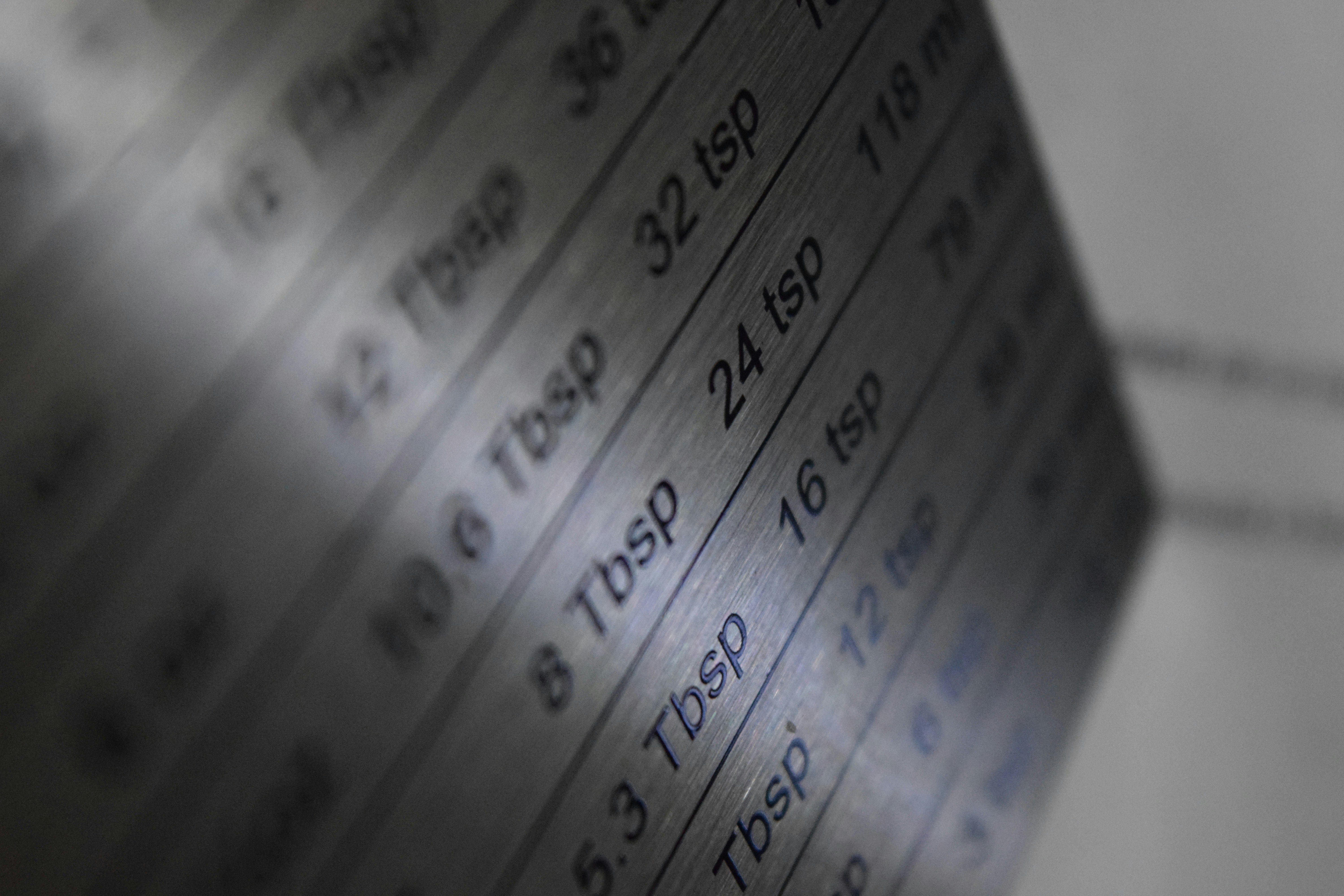
Introduction to Unit Conversions
Unit conversions play a crucial role in our daily lives, often serving as an essential skill needed for numerous activities ranging from cooking to international travel. Understanding different units of measurement enables individuals to effectively navigate a world filled with varying systems of quantification. Whether one is converting ounces to grams in a recipe or translating kilometers to miles while planning a road trip, the ability to convert units ensures accuracy and aids in effective communication.
The importance of unit conversions becomes particularly evident in the culinary realm. For instance, a cook may encounter recipes originating from countries that utilize different measurement systems. In such cases, understanding how to convert units such as fluid ounces to liters or teaspoons to milliliters is vital for successfully replicating dishes. Without these conversions, the result may be a misinterpretation of quantities, leading to underwhelming flavors or textures.
Similarly, when traveling, individuals frequently find themselves needing to convert measurements. This could involve calculating distances, converting local currency or understanding temperature differences, all of which are vital for an enjoyable trip. Accurate unit conversion allows travelers to make informed decisions regarding their itineraries and accommodation preferences, enhancing overall experiences.
Shopping also necessitates a good grasp of unit conversions. Consider purchasing groceries or household items; stores often present prices in various formats. Shoppers may encounter bulk pricing, where understanding how to convert per unit costs can affect budget decisions. Comparisons across unit sizes—such as liters versus gallons or pounds versus kilograms—help consumers make informed purchases.
In summary, mastering unit conversions is a vital and practical skill that aids in cooking, traveling, and shopping. Recognizing the varied applications in everyday activities underscores the necessity of this knowledge, paving the way for improved efficiency and clarity in numerous settings.
Length Conversions
Understanding length conversions is vital for a variety of practical applications, whether in crafting, construction, or even traveling. One of the most common conversions is between inches and centimeters. An inch is equivalent to 2.54 centimeters. This means that to convert inches to centimeters, you simply multiply the number of inches by 2.54. For instance, if you have a length of 10 inches, this would equate to approximately 25.4 centimeters.
Another important conversion is from feet to meters. The relationship is such that one foot equals 0.3048 meters. Thus, if you need to convert feet into meters, you take the number of feet and multiply it by 0.3048. For example, if you are measuring a room that is 15 feet wide, this would translate to roughly 4.57 meters.
Miles to kilometers is another vital conversion, particularly for travel and navigation. One mile is approximately 1.60934 kilometers. Consequently, to convert miles into kilometers, you can multiply the number of miles by 1.60934. For example, traveling a distance of 5 miles would be approximately 8.05 kilometers.
These conversions hold practical significance. For instance, when planning a road trip, being aware of these length conversions can help you estimate distances between destinations accurately. Similarly, when measuring fabric for a sewing project, understanding how to convert inches to centimeters can ensure you purchase the correct amount. Therefore, mastering these essential length conversions can greatly enhance your daily tasks and projects.
Weight and Mass Conversions
Understanding weight and mass conversions is fundamental in various practical scenarios, from culinary practices to fitness management. The most commonly used units for weight include kilograms, grams, pounds, and ounces. Each of these units serves specific purposes and is used in different regions or contexts.
To begin with, the kilogram (kg) is a standard unit of mass in the International System of Units (SI). One kilogram is equivalent to 1000 grams. This conversion is crucial for many tasks, such as measuring food ingredients accurately. For instance, a recipe may require 500 grams of flour, which translates to 0.5 kilograms. Understanding this relationship enables efficient and precise ingredient measurements.
Pounds and ounces, meanwhile, are commonly employed in the United States. One pound (lb) is equivalent to 16 ounces (oz), and there are approximately 2.20462 pounds in a kilogram. Knowing these conversions is especially beneficial when weighing items in a system that uses imperial measurements. For example, if a person wants to track their body weight in pounds but is more familiar with kilograms, they can easily convert their weight using this ratio.
Another practical application of these conversions is in the fitness community. Individuals striving to manage their weight often encounter challenges when transitioning between these measurement systems. For example, if a health app records weight in kilograms but a user prefers pounds, understanding how to convert between these units becomes essential for accurate tracking of fitness goals.
Additionally, these conversions are valuable not just for personal use, but also in commercial settings. For example, food packaging often displays both grams and ounces to cater to a diverse customer base. Whether one is measuring portions for a family meal or keeping track of weight in a fitness regimen, mastering weight and mass conversions enhances efficiency and precision in everyday tasks.
Volume Conversions
Volume measurement is an essential skill in cooking and various other activities where precise quantities are crucial. The most commonly used units for measuring volume include liters, milliliters, gallons, and cups. Understanding how to convert between these units can significantly impact the outcomes of recipes and beverage preparations.
Liters (L) and milliliters (mL) are part of the metric system, with 1 liter being equal to 1,000 milliliters. This relationship makes it relatively straightforward to convert between these two units for measurements in cooking, particularly in recipes that require specific liquid quantities. For example, if a recipe calls for 0.5 liters of water, this translates to 500 milliliters.
On the other hand, gallons and cups are units commonly used in the United States customary system. One gallon is equivalent to 16 cups or 3.785 liters. Converting between gallons and cups is particularly relevant when working with larger quantities or bulk liquids. For instance, if a beverage recipe specifies 2 gallons of punch, one can easily determine this is equivalent to 32 cups.
It is critical to ensure accuracy in these conversions. Incorrect volume conversions can lead to unsatisfactory results; for example, using too little water when making bread can lead to a dense loaf, while too much can cause the dough to become overly sticky. Similarly, preparing a drink that requires a specific ratio of ingredients might yield an unpleasant flavor if the volume measurements are off.
In conclusion, mastering volume conversions among liters, milliliters, gallons, and cups is vital for achieving success in culinary endeavors. Whether you are following a specific recipe or experimenting with new beverage mixes, understanding these measurements can enhance your cooking skill and significantly improve the results of your efforts.
Checkout these handy travel luggage scales for your travel times:

- [Travel Stress-Free] Never pay surprise overweight baggage fees again — this battery-free luggage scale lets you weigh e…
- [110lb / 50kg Capacity, ±50g Accurate] Weighs suitcases, backpacks, and parcels up to 110lb (50kg) with ±50g precision; …
- [Battery-Free & Easy to Activate] No batteries, no charging cable. Firmly pump the button 4–5 times to power the LCD — a…
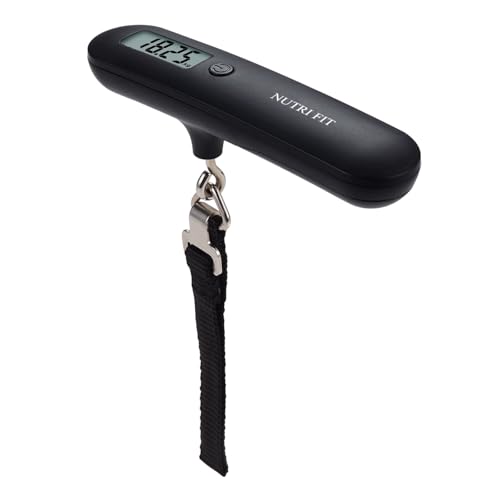
- Travel Smarter, Not Heavier: Avoid costly overweight fees on flights, trains & shipments! Our digital luggage scale deli…
- Precision Weighing Anywhere: This baggage weight scale handles up to 110lb/50kg with 50g/0.1lb accuracy, perfect for tra…
- Instant Stabilization: The smart hold function on this hanging scale freezes measurements mid-movement, perfect for unst…
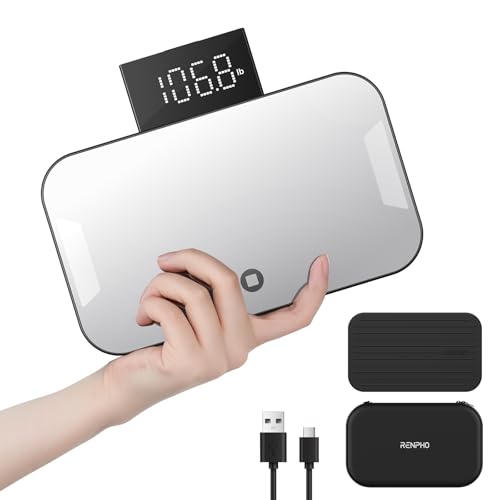
- Note: This mini travel scale is only suitable for toddler size 10 and women size 6. Larger sizes may cause imbalance and…
- Compact & Portable Design: RENPHO small travel scale for body weight, measuring 8.98×5.28×0.65 inches, is lightweight an…
- Folding Kickstand for Mirror Mode: This rechargeable scale for body weight can also function as a travel makeup mirror, …

- Portable & Travel-Friendly: Compact travel scale (11.02″ x 7.09″ ) that packs easily into a backpack, suitcase, or RV fo…
- 13 Essential Health Metrics: App-connected travel weight scale that measures body fat, BMI, muscle mass, water percentag…
- Reliable Readings: Precision electrodes and a clear LED display deliver consistent results every time on this portable s…

- COMPACT TRAVEL SIZE WITH SLEEVE: Measures 12.2 x 6.3 x 0.8 in (310 x 160 x 21 mm). The included protective travel sleeve…
- 400 LB / 180 KG CAPACITY: Measures body weight up to 400 lb / 180 kg with 0.2 lb / 0.1 kg graduation. Auto Step-On / Sen…
- 6 MM TEMPERED GLASS + LCD: Built with a 6 mm tempered-glass platform and an easy-read LCD. Use the unit button on the ba…

- EXTREMELY ACCURATE – Thick high precision aluminum sensor to ensure the consistent accuracy of this travel luggage weigh…
- POWER SAVING – Our suitcase weighing scale is powered by 3 alkaline batteries; Auto off in 1 minute of inactivity; You d…
- UNIVERSAL – You can set peak/max, hold on, hold off; backlit on/off; 10g/12g/25g/50gincrement. 3 units: lb/kg/lb.oz. Our…