
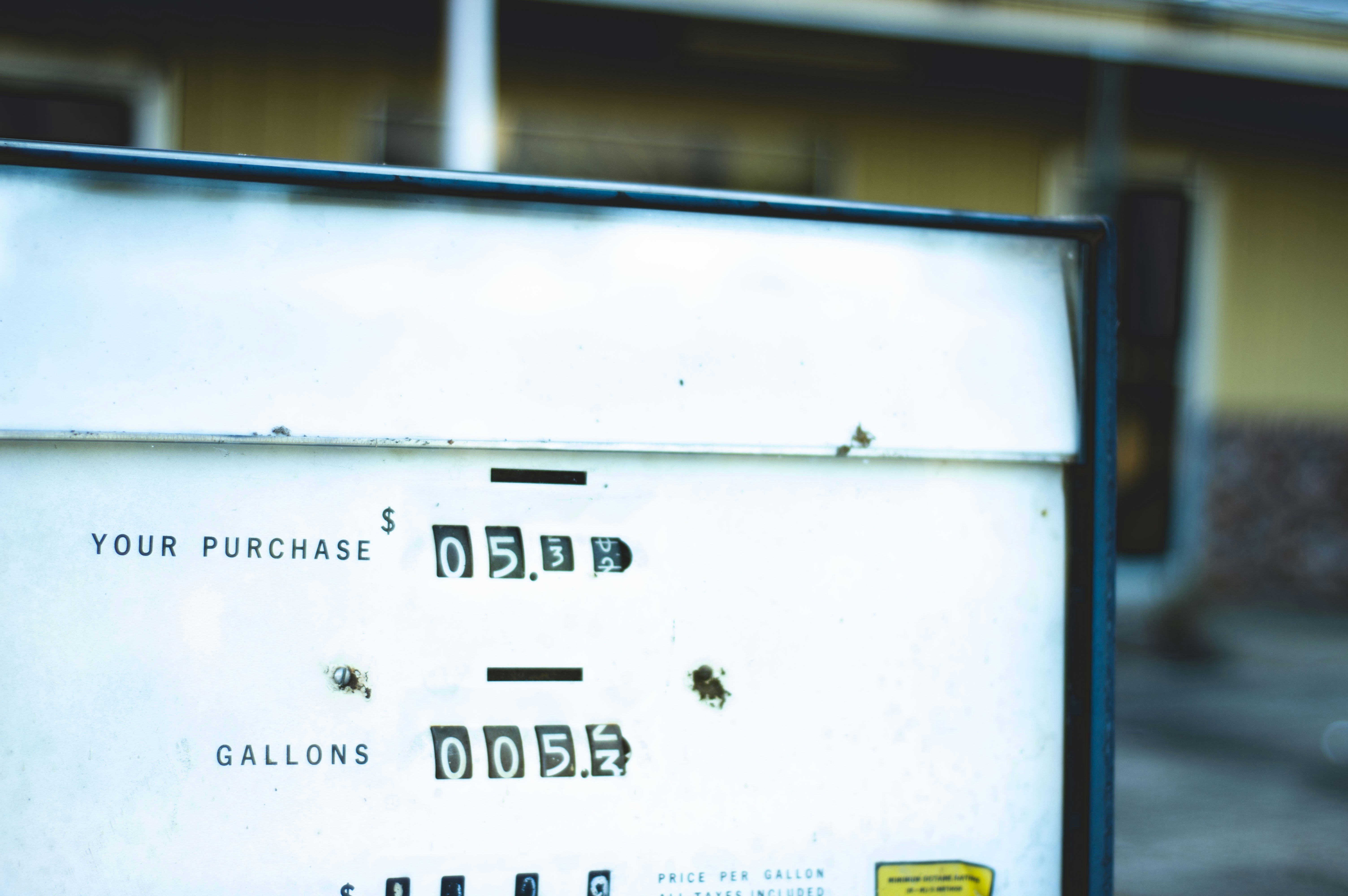
Introduction to Fuel Dispensing Technology
The evolution of fuel dispensing technology in America is a significant chapter in the history of the oil industry, reflecting both technological advancement and changing consumer needs. Early fuel dispensing systems were rudimentary at best, mostly consisting of hand-operated pumps that lacked precision and reliability. These simple devices paved the way for more sophisticated equipment as the demand for fuel surmounted in the wake of industrialization and the automobile revolution of the early 20th century.
As the automotive market expanded, the necessity for accurate fuel dispensing became increasingly critical. Fuel measurement systems developed into integral components of service stations, ensuring fair transactions and building consumer trust. The introduction of automatic dispensers around the 1930s marked a pivotal turning point in this evolution. These dispensers, with their mechanical meters, significantly improved the accuracy of fuel measurement and reduced human error, making the fueling process more efficient.
The advancement of electronic fuel dispensing technology in the late 20th century further transformed the landscape. These modern systems incorporated digital displays and integrated payment methods, enhancing user convenience while providing operators with valuable data analytics on fuel consumption patterns. Additionally, the focus on environmental concerns led to the development of more advanced systems aimed at minimizing spillage and emissions during the dispensing process.
Overall, the journey from manual pumps to automated dispensers underscores the technological advancements within the fuel dispensing sector and its critical role in the oil industry. Accurate measurement in fueling practices not only supports transactional fairness but also promotes safety and operational efficiency at service stations nationwide.
The Need for Accurate Measurement
The emergence of fuel dispensers with measurement capabilities in America can be attributed to several critical factors that shaped the landscape of the fueling industry. One of the primary drivers of this demand was the need to enhance customer trust. As consumers became more discerning regarding the quantity of fuel dispensed, there was a prevailing concern over inaccurate measuring systems, which could lead to disputes over the volume of fuel purchased. Accurate measurement ensures that customers receive the correct amount of fuel, thereby fostering trust between the consumer and the retailer.
In addition to building trust, the economic implications played a significant role in the need for accurate measurement in fuel dispensers. Fuel retailers are under constant pressure to manage operational costs while maximizing profit margins. Discrepancies in fuel measurement can lead to significant losses for businesses due to either over-delivery or under-delivery of fuel, which ultimately affects the bottom line. Consequently, the implementation of precise measuring systems not only protects the interests of consumers but also serves the financial stability of fuel dispensers.
Regulatory pressures also contributed significantly to the demand for accurate measuring systems in fuel dispensers. Government agencies have set stringent guidelines to ensure fair practices in the sale of fuel; accurate measurements are essential for compliance with these regulations. Regulatory bodies require that fuel dispensers provide accurate and reliable measurements to avoid penalties and maintain operational licenses. Therefore, the development of advanced measurement technologies aligns with the need for compliance while addressing customer expectations and economic viability.
Collectively, these factors highlight the multifaceted reasons behind the push for accurate measurement in fuel dispensers. As the market continues to evolve, the emphasis on reliable measurement will further drive innovations in the industry.
Early Innovations in Fuel Dispensing
The history of fuel dispensing can be traced back to the late 19th century when early innovations began to shape how fuel was delivered to consumers. The advent of the automobile spurred a need for a more efficient way to provide fuel, leading to significant technological breakthroughs. In 1885, the first notable fuel pump was invented by a Pennsylvania inventor named Sylvanus Bowser. His design was rudimentary, consisting of a hand-operated pump which was primarily used for dispensing kerosene rather than gasoline. However, it set the stage for future advancements in fuel dispensing technology.
By the early 1900s, the need for accurate measurement in fuel dispensers became apparent as the automotive industry rapidly grew. One of the key developments during this period occured in 1906 when the first gasoline pump with a measuring device was introduced. This innovation, also known as the visible pump, allowed customers to see how much fuel they were purchasing, thus increasing trust in fuel transactions. Companies like Pure Oil Company began to innovate further by integrating precise measurement systems into their designs, ensuring both efficiency and transparency.
In 1910, another significant improvement took place with the introduction of the first electric fuel pump by the Gilbarco Company. This advancement eliminated the need for manual operation and was soon adapted widely across gas stations, making the refueling experience much more convenient. By the 1920s, advancements continued with the incorporation of rotary mechanisms and more advanced metering systems that could accurately dispense fuel at different rates.
As the years went by, fuel dispensers evolved, embracing automation and improved measurement techniques. These early pioneers laid the groundwork for modern fuel dispensing technology. Their inventions not only changed the industry but also paved the way for the sophisticated systems used in fuel dispensing today, ensuring accurate measurements and enhanced customer confidence.
Impact on the Fuel Industry and Consumer Trust
The introduction of measurement capabilities in fuel dispensers marked a pivotal moment for the fuel industry in America. This technological advancement fundamentally altered how fuel transactions were conducted, instilling a greater sense of transparency in an otherwise opaque process. By enabling accurate measurements directly at the point of sale, consumers gained insights into their purchases, thereby leading to a more informed buying experience.
Prior to the implementation of accurate measurement systems in fuel dispensers, discrepancies in fuel quantities could erode consumer trust. Fuel providers often faced skepticism regarding the amounts dispensed, which could result in a negative perception of businesses within the industry. With the advent of precise measurement technology, such as electronic meters and automatic calibration mechanisms, these challenges were significantly mitigated. Consumers became more confident that they were receiving exactly what they paid for, enhancing their overall trust in both the dispensers and the brands operating them.
Furthermore, this innovation fostered a competitive environment among fuel providers. Companies began to highlight their commitment to transparency and fairness in fueling transactions, which became crucial differentiators in a market filled with choices. The ability to promote accurate measurements not only helped build a stronger brand image but also encouraged the implementation of customer-centric practices. This shift not only benefited consumers but also propelled companies to innovate and improve their services continually.
The transparency resulting from these advancements in measurement ultimately led to heightened customer loyalty. As consumers recognized that companies were willing to invest in technology for their benefit, their trust deepened. This positive interplay between accurate measurement in fuel dispensers and consumer trust reshaped the fuel industry’s landscape, setting a precedent for how businesses could engage with their customers thoughtfully and effectively.
Checkout these selected auto accessories at Amazon:

- 👁️Quick Accessible: Inside the car insurance and registration card holder, the clear inner material makes you easy to fi…
- 💼Document Well Organized: The car document holder keeps your car documents organized and keep them tidy and secured, whi…
- 🧲Hidden Magnetic Closure: The glove box document holder are built with hidden magnetic closure, which will keep your car…
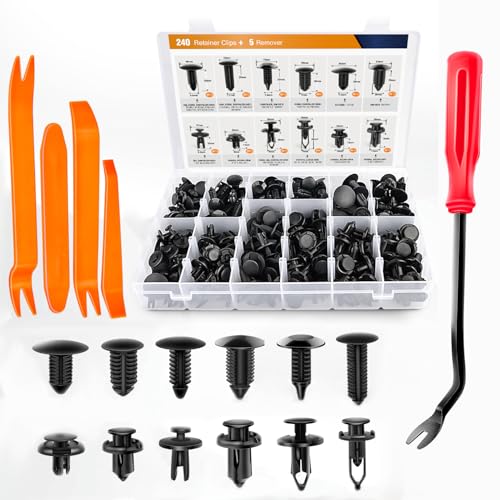
- Universal fit kit – Great assortment push retainer kit with 12 popular size, fitting for door trim, radiator shield yoke…
- Save time and money – You can find 240PCS automotive push type retainer kit in the box and no need to go to auto parts s…
- High quality – High quality material with heavy-duty construction for durability, this push type retainers set would not…

- Never Let a Dead Battery Ruin Your Drive. The LISEN 4 in 1 Retractable Car Charger delivers reliable power for your enti…
- Daily Driver Essential: Always Ready When You Need It. Featuring two retractable cables ( USB C & Old iPhone Charging Ca…
- Standard 12V Power Solution: Designed as a dedicated USB power supply for charging devices. Note: Does NOT support CarPl…

- Versatile Car Phone Mount: Cell phone car mount boasts premium suction strength and an upgraded air vent clip, allowing …
- Strong Suction Performance: Car phone holder comes with a double-locked suction cup made of heat-resistant TPU material,…
- Fully Adjustable Design: Featuring a 360-degree rotating ball joint and an adjustable extension arm ranging from 3.7 inc…

- For a better experience, our system software will be updated frequently. It’s recommended to update to the latest versio…
- 7 Most Useful Reset Services: Oil reset, EPB brake reset, Steering Angle Calibration, Tire Pressure reset, ABS Bleeding,…
- 6 System Diagnosis: Scan tool for ABS, SRS, Transmission, Engine, BCM and TPMS systems. It effortlessly interprets and e…
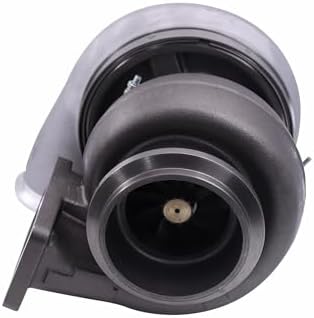
- Detroit Diesel- 23523197, 23518588, 23518597 Borgwarner- 171702 Navistar- 2585838C91 Garrett- 466713-0005, 466713-0006, …
- 100% NEW COMPONENTS — Brand new turbo with all-new components
- DESIGN VALIDATED — Components built to tolerances for reliability you can count on

- Upgrade to Wireless CarPlay & Android Auto The 2 in 1 Wireless CarPlay and Android Auto Adapter converts your factory wi…
- Fast Easy Setup & Auto Reconnection No app or complicated setup required. Just pair once via Bluetooth and enjoy automat…
- OEM-Level Wireless Performance & Vehicle Control Our car adapter maintains the full functionality and preserves the seam…