
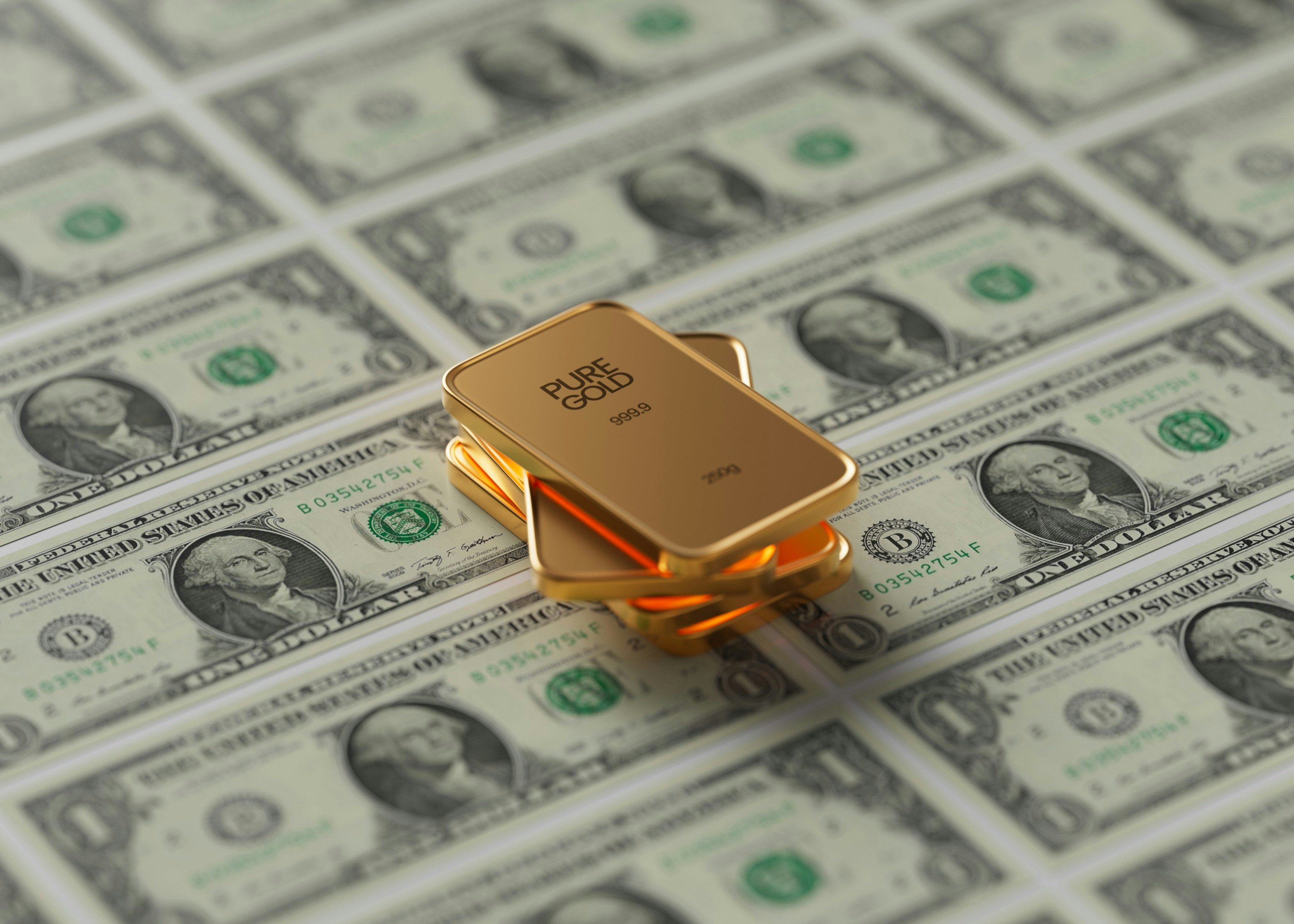
Ancient Beginnings: The Use of Gold as Currency
The history of gold as a medium of exchange is deeply rooted in the early economic practices of ancient civilizations. Around 3000 BC, in regions such as Egypt and Mesopotamia, gold began to transcend its role as a mere adornment or symbol of wealth, evolving into a formal currency. These early societies recognized the unique properties of gold, which distinguished it from other commodities.
Gold’s intrinsic qualities—such as its durability, divisibility, portability, and intrinsic value—made it an ideal candidate for commerce. Unlike perishable goods, gold does not decay over time, ensuring its longevity as a method of exchange. Its malleability allows it to be shaped into various items, including coins and jewelry, facilitating ease of transaction. Societies gradually moved away from traditional barter systems towards this more formalized approach to trade.
In ancient Egypt, the use of gold as currency became apparent with the issuance of gold ingots and jewelry as payment. Similarly, the Mesopotamians utilized gold in various forms for trade, attributing it both functional and ceremonial significance. The desire for gold was not purely economic but also encompassed a cultural reverence for the metal—the sun’s precious metal that symbolized divinity and eternity.
As trade routes expanded, the need for a reliable medium grew increasingly crucial. Gold offered a solution; it was valuable across multiple cultures and civilizations, making it a universal currency of sorts. This adoption of gold laid the groundwork for future monetary systems, leading to the minting of standardized gold coins by various empires, including the Lydians, who are often credited with introducing the first official coinage around 600 BC. Therefore, gold’s significance in commerce evolved through various stages, marking the beginning of what we now recognize as the modern monetary system.
The Gold Standard: Establishing Value and Stability
The introduction of the gold standard in the 19th century marked a significant turning point in the history of global economies. This monetary system established a direct link between the value of currency and a specific amount of gold, thereby promoting stability and trust in monetary transactions. Under the gold standard, countries agreed to convert paper currency into a fixed weight of gold, which facilitated international trade and investment.
One of the primary implications of adopting the gold standard was the standardization of currency values across various nations. By linking currencies to gold, it reduced the risks associated with currency fluctuations and depreciation. This integration helped stabilize exchange rates, fostering a climate of confidence among traders and investors. Countries that embraced the gold standard found that their economies could partake more seamlessly in global markets, allowing for expanded trade networks.
In addition to encouraging trade, the gold standard also contributed to a nation’s monetary discipline. Governments were required to maintain sufficient gold reserves to back their currency, which curtailed over-issuance of money. This system inherently discouraged reckless fiscal policies, thereby promoting long-term economic stability. However, the rigidity of the gold standard also posed challenges, as economies could struggle to respond adequately to regional or global financial crises. Nevertheless, the historical impact of the gold standard in shaping economic policies and establishing a reliable currency framework cannot be understated.
As countries around the world increasingly adopted the gold standard, it was perceived as a benchmark for sound monetary regulation. Despite its eventual abandonment during the 20th century, the legacy of the gold standard endures, highlighting the importance of currency stability and trust in maintaining robust economic systems.
Modern Times: Gold’s Role in Today’s Economy
The current global economy exhibits a complex relationship with gold, an asset that has transcended time and remains a focal point of financial discussions, particularly during periods of economic uncertainty. Throughout history, gold has been regarded as a safe-haven asset, a status it continues to uphold in the face of instability. Investors often gravitate towards gold when faced with inflation, political unrest, and other factors that threaten financial security. Its appeal lies not only in its intrinsic value but also in its ability to maintain purchasing power over time, which resonates with individuals and institutions alike.
Central banks around the globe have recognized gold’s significance and often hold substantial reserves as part of their monetary policies. This approach not only serves to back national currencies but also helps to bolster confidence within the financial system. As central banks adjust their monetary policies to counteract economic fluctuations, the demand for gold can often rise, driving prices higher. The strategic acquisition of gold by these institutions highlights its pivotal role in stabilizing economies during turbulent times.
The relationship between gold prices and various economic indicators is also noteworthy. Factors such as interest rates, exchange rates, and inflation rates often influence gold market dynamics. For example, when interest rates are low, the opportunity cost of holding gold decreases, leading to increased investment in this precious metal. Additionally, geopolitical tensions and market volatility can elevate gold prices as investors seek refuge in its perceived stability. Thus, understanding how gold interacts with these economic factors is crucial for investors looking to navigate the complexities of today’s financial landscape.
The Future of Gold in Currency: Trends and Speculations
The evolving landscape of finance, characterized by the surge in digital currencies such as Bitcoin and Ethereum, raises pertinent questions regarding the future of gold in the currency realm. As traditional monetary systems undergo transformation, the historical allure of gold as a store of value and medium of exchange presents an intriguing contrast to the rise of cryptocurrencies. Investing in gold has long been viewed as a safe haven during economic uncertainty, and this may continue to hold relevance despite the growing acceptance of digital currencies.
Currently, we observe a shift in consumer behavior and market dynamics that reflects an increasing openness to virtual currencies. However, gold’s inherent properties—tangible, finite, and universally recognized—suggest it may retain a significant role alongside its digital counterparts. Experts argue that gold could serve as a hedge against the volatility often associated with cryptocurrencies. Furthermore, the potential for digital currencies to influence the value of gold, in both positive and negative ways, is a subject of ongoing research and debate.
In addition to its status derived from historical precedent, gold’s chemical stability and scarcity lend weight to its argument as a continued mainstay in financial systems. The intersection of technology and finance, illustrated by innovations such as blockchain, has prompted discussions about the possible digitization of gold itself. This concept could allow for more efficient transactions and broader accessibility, fundamentally altering perceptions of gold’s role in modern currencies.
Despite these advancements, the resurgence of gold in the context of a digitally dominated financial environment hinges greatly on macroeconomic factors, including inflation rates and geopolitical tensions. Such elements can undoubtedly influence investor sentiment towards both gold and cryptocurrencies. In conclusion, while we cannot predict the future with certainty, the enduring appeal of gold contrasts sharply with the rapid evolution of digital currencies, and its role in the financial ecosystem will likely continue to adapt to the times.
Checkout these interesting Gold buys for collection:

- 99.99% pure Features LBMA registered mark and kangaroo-shaped motif Tamper-evident packaging with serial number

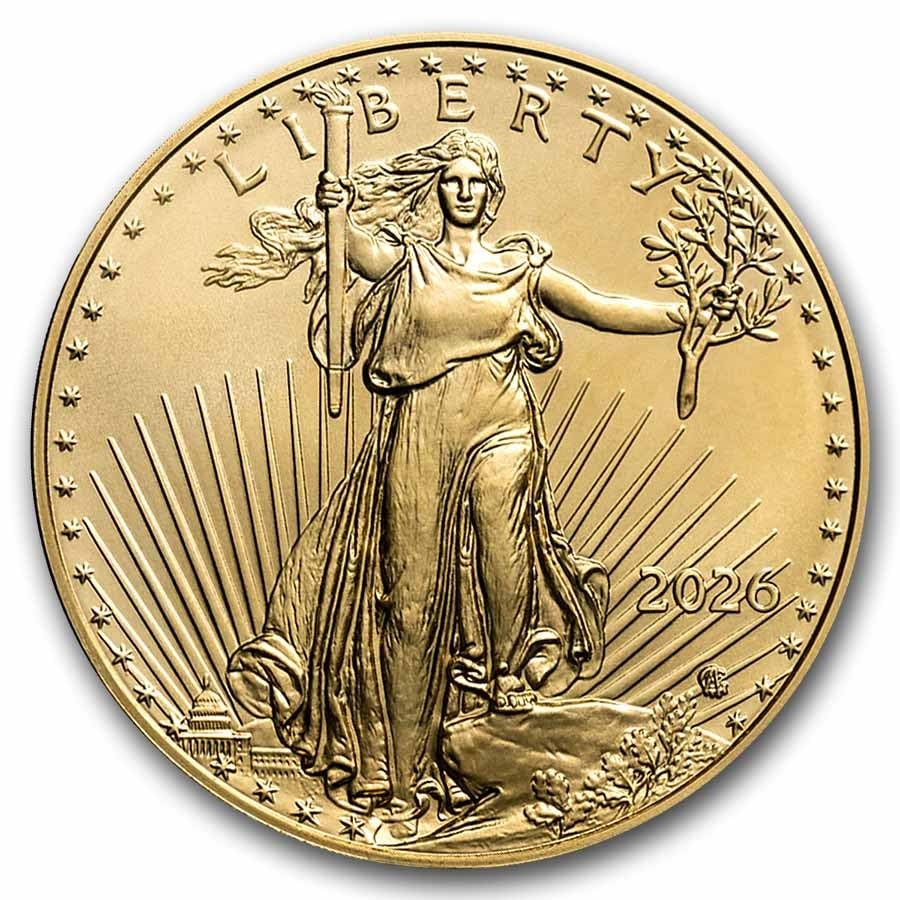
- ✔️Each coin contains 1/10 oz of gold.
- ✔️Obverse: Lady Liberty holding a torch with an olive branch.
- ✔️Reverse: Portrait with an American bald eagle, a design by Jennie Norris in 2021.

- Purity: .9999 Fine Gold (24-Karat)
- Diameter: 8 mm (0.314961 inches)
- Metal Content: 0.0322 Troy Ounces
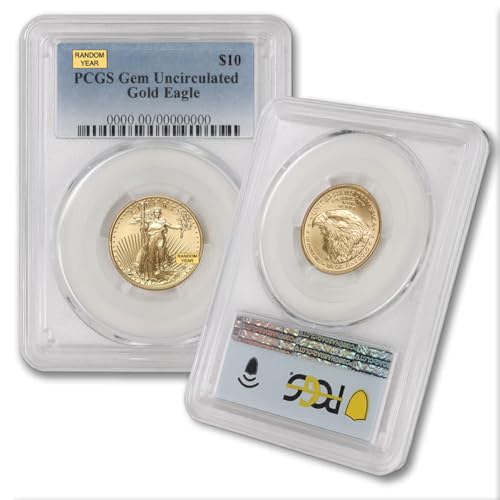
- Metal Content: 0.4 Troy Ounces
- Purity: .9167 Fine Gold (22-karat)
- You will receive one coin per purchase
I like this blog thanks.